Franchise ownership, explained
Buying a Franchise vs. Starting a Business From Scratch
Both paths lead to owning your own business. One starts with a blank page. The other starts with a tested playbook, a recognized brand and a network of owners who have already made the early mistakes. Here's how the two compare, how buying a franchise works, and how Sandy Webb helps you find a fit worth building for the next ten years.
- No cost to you
- No pressure to buy
- Guided by a multi-unit franchise owner
Side by side
Franchise vs. Starting a Business: How the Two Paths Compare
Starting a business from scratch means you decide everything: the name, the pricing, the software, the hiring process, the marketing. A franchise hands you most of those answers on day one. Neither is right for everyone, so it helps to see the tradeoffs clearly.
| What you need | Buying a franchise | Starting from scratch |
|---|---|---|
| Business model | Tested system with documented operations | You design and test it yourself |
| Brand | Established name and marketing materials | Built from zero, one customer at a time |
| Training | Initial and ongoing training from the franchisor | Self-taught, or paid for separately |
| Purchasing power | Group pricing on supplies, software and vendors | Retail pricing until you reach scale |
| Support network | Corporate team plus fellow franchisees | Mentors and advisors you find on your own |
| Financing | Many lenders know the brand and the model | Lenders evaluate an unproven concept |
| Control | You follow the system and brand standards | Full creative and operational freedom |
| Costs | Franchise fee, startup costs and ongoing royalties | No franchise fees, but trial-and-error costs add up |
| Due diligence | Disclosed in the Franchise Disclosure Document (FDD) | Market research you conduct yourself |
Why people choose franchising
The Benefits of Buying a Franchise
When you buy a franchise, you are buying more than a logo. You are buying a head start: a system that has been refined across many locations, and people whose job is to help you run it well.
A playbook you don't have to write
Operations manuals, hiring processes, pricing and technology come built in, so you spend your energy running the business instead of inventing it.
Training before you open
Most franchisors don't require industry experience. They look for coachable owners with leadership skills and teach the rest.
Brand recognition
Customers may already know and trust the name, and you benefit from national or regional marketing you could not fund alone.
Economies of scale
A franchise network negotiates as a group, which can mean better pricing on equipment, supplies, insurance and software.
A built-in peer network
Other franchisees have already solved the problems you'll face. In a healthy system, they share what works.
Clearer due diligence
Franchisors must give you a Franchise Disclosure Document, so you can review costs, obligations, litigation history and the system's track record before you commit.
The tradeoffs to weigh honestly
- Ongoing fees. Royalties and marketing fund contributions continue for the life of the agreement.
- Less creative control. You follow brand standards, approved vendors and territory rules.
- Your franchisor matters. The value you get depends on the quality of the system's training, support and leadership.
- It's still your business. A proven model does not run itself. Results depend on your effort, local market and execution.
That last point is why fit matters more than brand recognition. The right franchise is the one that matches your goals, strengths and lifestyle, not the one with the biggest name.
Is it right for you?
Who Should Buy a Franchise, and Who Should Start From Scratch?
The best path depends on what you want your days, your income and your next ten years to look like.
A franchise may fit you if you
- Want to own a business without inventing one
- Value structure, training and a support team
- Are leaving a corporate career and want a faster ramp
- Want to keep your job at first with a semi-absentee model
- Plan to grow into multiple units over time
Starting from scratch may fit you if you
- Have a truly original product or idea
- Want full control over every decision
- Already have deep industry experience and contacts
- Prefer to avoid ongoing royalties
- Are comfortable with a longer, less predictable runway
The mechanics
How Buying a Franchise Works
Every franchise purchase follows the same basic arc. Knowing it up front helps you ask better questions and avoid surprises.
- The franchise fee
- A one-time payment for the right to use the brand and system, plus your initial training.
- Total investment
- Build-out, equipment, inventory and working capital. The franchisor's estimated range appears in Item 7 of the FDD.
- Royalties
- An ongoing fee, often a percentage of revenue, that funds support, technology and development.
- The FDD
- A legal disclosure document. Under the FTC Franchise Rule, you must receive it at least 14 calendar days before you sign or pay anything.
- Validation
- Conversations with current and former franchisees about what ownership is really like.
- Discovery day
- A meeting with the franchisor's leadership team, so both sides can confirm the fit.
- The franchise agreement
- The contract that defines your territory, term, fees and obligations. Have a franchise attorney review it.
- Training and opening
- Once you sign, the franchisor trains you and guides site selection, setup and launch.
Franchise Discovery Process
How Sandy Webb Helps You Buy the Right Franchise
Sandy's process is built to move you from "what if" to a clear, confident decision, at your pace. There's no cost to you: franchisors pay the consulting fee, and you pay the same price you would going direct.
-
Phase 1 · Connect for a Visionary Conversation
Start with a conversation, not a pitch
A relaxed, high-level call about your motivations beyond the balance sheet: your income goals, lifestyle, timeline, available capital and what success looks like for your family.
-
Phase 2 · Define Your Cultural Compass
Take the Business Ownership Assessment
This short quiz looks at your ownership mindset, the business model that suits you best (a franchise, a business opportunity or an independent business), and your financial readiness, so you start with a clear picture of where you stand.
Discover your Franchise Fit
Franchise Fit goes past finances to identify your communication style, values and the kind of culture you'll thrive in, so you can see which businesses fit how you actually work.
-
Phase 3 · Secure Your 10-Year Success Story
Review a curated short list
Using your assessment results and goals, Sandy researches and vets franchise systems, checking for red flags and green flags, then presents a focused short list instead of a flood of options.
Do due diligence with an advocate
She guides you through the FDD, franchisee validation calls and discovery day, and helps you prepare the questions that reveal how a system really performs.
Explore funding and make your decision
Sandy connects you with franchise funding specialists for options such as SBA loans and retirement rollovers, then supports you as you decide. She never rushes a closing.
Motivated, responsive candidates often find a strong match in one to three months. You set the pace.
Ready to take the first step?
Share a few details about your goals and Sandy will reach out personally.
Meet your franchise consultant
Guidance From Someone Who Has Been in Your Seat
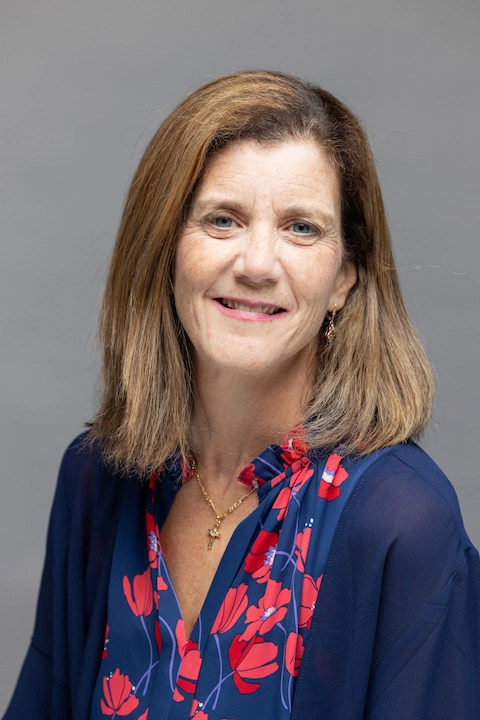
After more than two decades in corporate roles, Sandy Webb opened two Saladworks restaurants. She ran them as an owner-operator for five years and now leads them as a semi-passive owner, coaching and mentoring her managers.
She chose her franchise without a consultant, and she knows firsthand how much time and money better research would have saved. That's why she founded ProFit Franchise Partners: to give future owners the patient, honest guidance she wishes she'd had.
ProFit Franchise Partners is a member of the Franchise Brokers Association.
Read Sandy's story →Keep learning
Recommended Reading for Future Franchise Owners
Hand-picked articles from Sandy's blog to help you compare your options and evaluate franchises with clear eyes.
Franchise vs. independent
The Power of Organized: The Leverage You're Really Buying
What a franchise system gives you that a blank page can't, and how to tell if the fee is worth it.
Read article → BenefitsThe Power of Scale: How Economies of Scale Create Real Advantages
How group buying power and shared resources work in your favor as a franchise owner.
Read article → Choosing a franchiseIf I Only Knew Then: Why Fit Matters More Than Brand Recognition
Sandy's lessons from buying her own franchise, and why the right fit beats the famous name.
Read article → Due diligenceThe One Question to Ask Before Buying a Franchise
The question that reveals the real power behind a brand before you sign.
Read article → Due diligenceRed Flags in Franchise Evaluation: Where to Slow Down
The warning signs that deserve a closer look during your research.
Read article → Due diligenceFranchise System Green Flags
The signs of operational maturity, transparency and strong leadership in a franchise system.
Read article →Free Online Franchise Course
Four short modules: getting started, spotting red flags, questions to ask, and vetting and negotiation.
Franchise Fit
Discover your communication style, values and the kinds of businesses that suit you best.
Franchise FAQs
Straight answers about cost, timelines, funding and working with a franchise consultant.
More for your situation: Starting a franchise while still employed · Semi-absentee ownership guide · Clarity before commitment
Questions
Frequently Asked Questions About Buying a Franchise
Is it better to buy a franchise or start your own business?
It depends on your goals. A franchise offers a proven model, training and support in exchange for fees and following a system. Starting your own business offers full control but requires you to build every process yourself. If you want structure and a faster ramp, a franchise is often the better fit.
How much money do I need to buy a franchise?
Investment levels vary widely by brand and industry. Each franchisor's estimated total investment is listed in Item 7 of its FDD. Sandy discusses your capital and funding options early, so you only look at franchises that fit your budget.
Does it cost anything to work with a franchise consultant?
No. Franchisors pay Sandy's fee when a placement is made, and you pay the same franchise price you would if you contacted the franchisor directly.
How long does it take to buy a franchise?
Many motivated candidates find a strong match in one to three months. The timeline depends on your research, due diligence, funding and the franchisor's approval process.
Do I need industry experience to own a franchise?
Usually not. Most franchisors prefer coachable owners with strong leadership and management skills, and they provide training on the operations.
Can I own a franchise while keeping my full-time job?
Yes, with the right model. Semi-absentee franchises are designed for owners who hire a manager to run daily operations while they lead the business part time.
What is a Franchise Disclosure Document (FDD)?
The FDD is a legal document franchisors must provide at least 14 calendar days before you sign or pay. It covers fees, the estimated investment, obligations, litigation history and a list of current and former franchisees you can contact.
Your next step
Start Your Franchise Fit Conversation
Fill out the form and tell Sandy a little about your goals. She'll reach out personally for a relaxed, no-pressure conversation about whether franchise ownership fits your life, and if it does, which businesses deserve a closer look.
- Free, confidential and no obligation
- Personalized to your goals and budget
- Guided by a working franchise owner
Prefer to pick a time yourself?
Book a ConsultationBusiness Ownership Path Assessment
Thinking about business ownership but not sure which path is right for you? Take this 5–7 minute assessment to explore your preferences for franchising, independent business ownership, or business opportunities, along with your ownership mindset and financial considerations. Your results will provide a starting point for making a more informed decision.
This page is for educational purposes and is not an offer to sell a franchise. Franchise offerings are made only by Franchise Disclosure Document. Results vary, and nothing here guarantees income or business success. Consult a franchise attorney and financial or tax professional before making an investment decision.